optical illusions

Prism Assembly II, acetate drawings and prisms, 5 x 12 x 12 cm, 2020

Prism Assembly II, acetate drawings and prisms, 5 x 12 x 12 cm, 2020
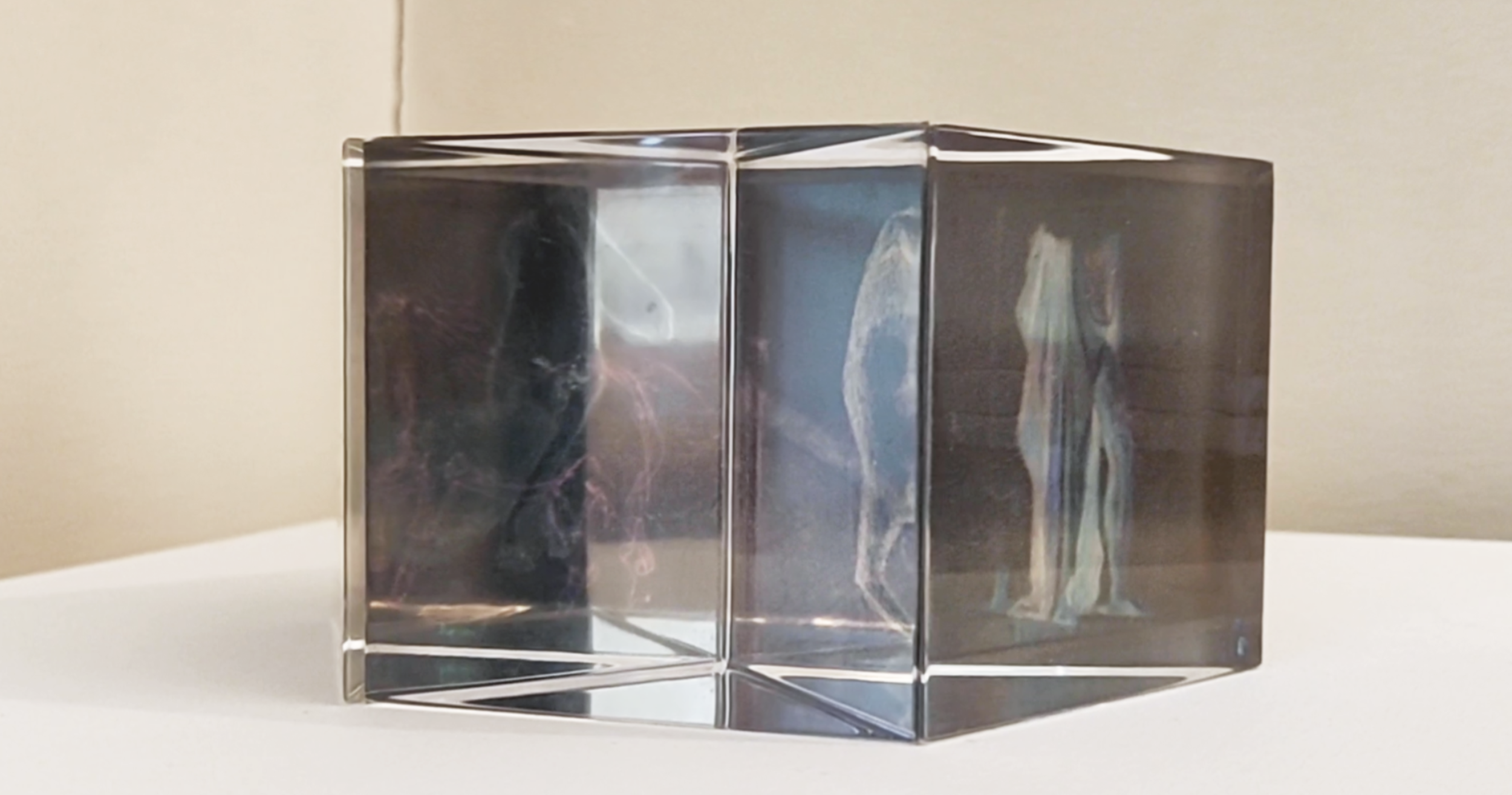
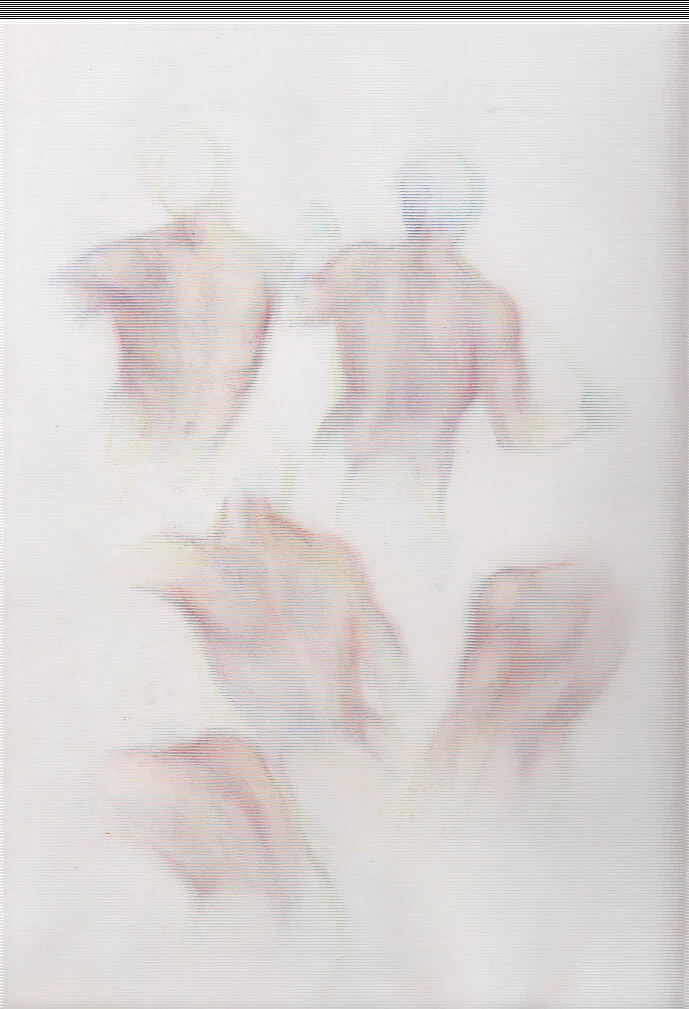
lenticular drawings

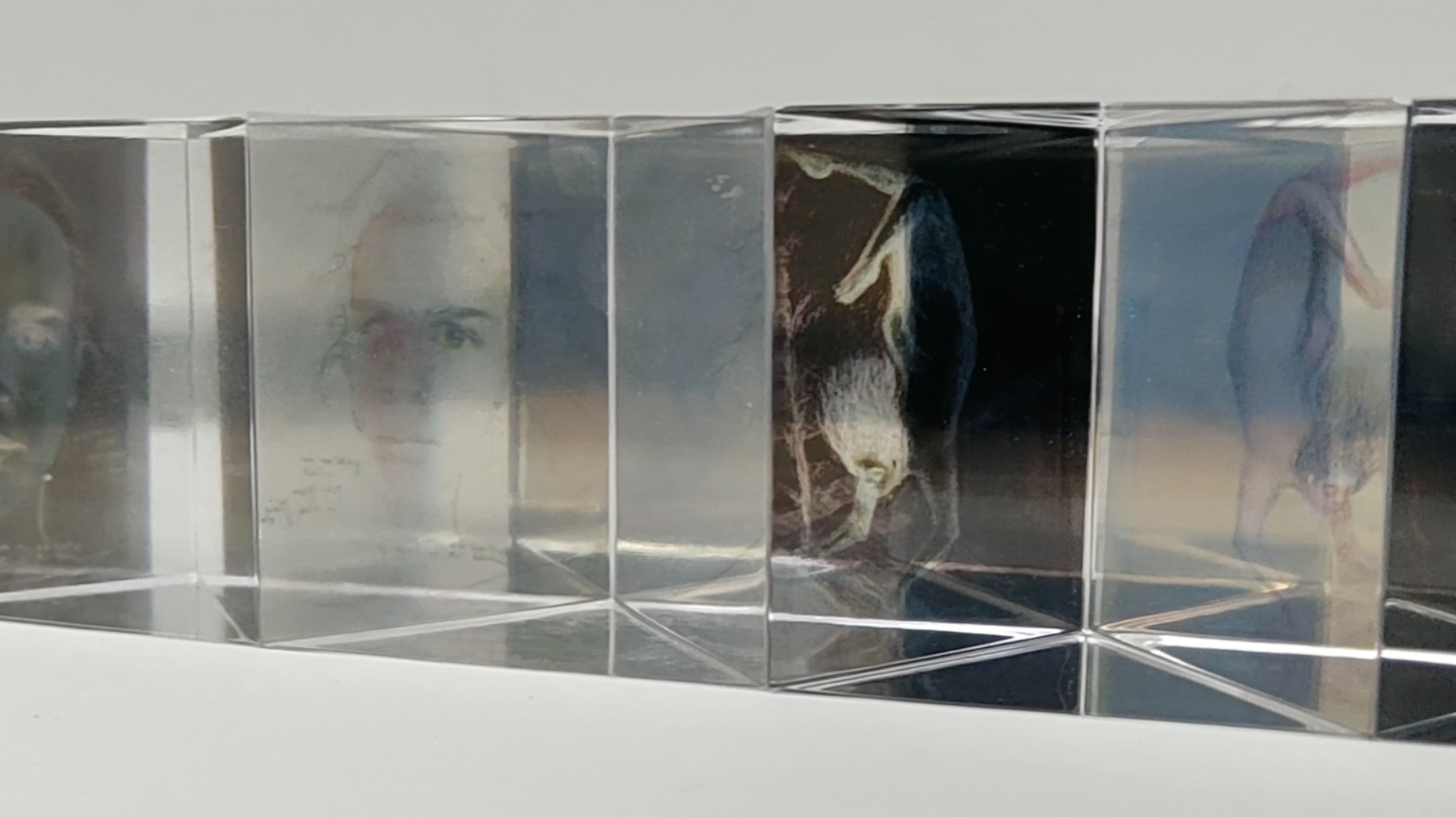
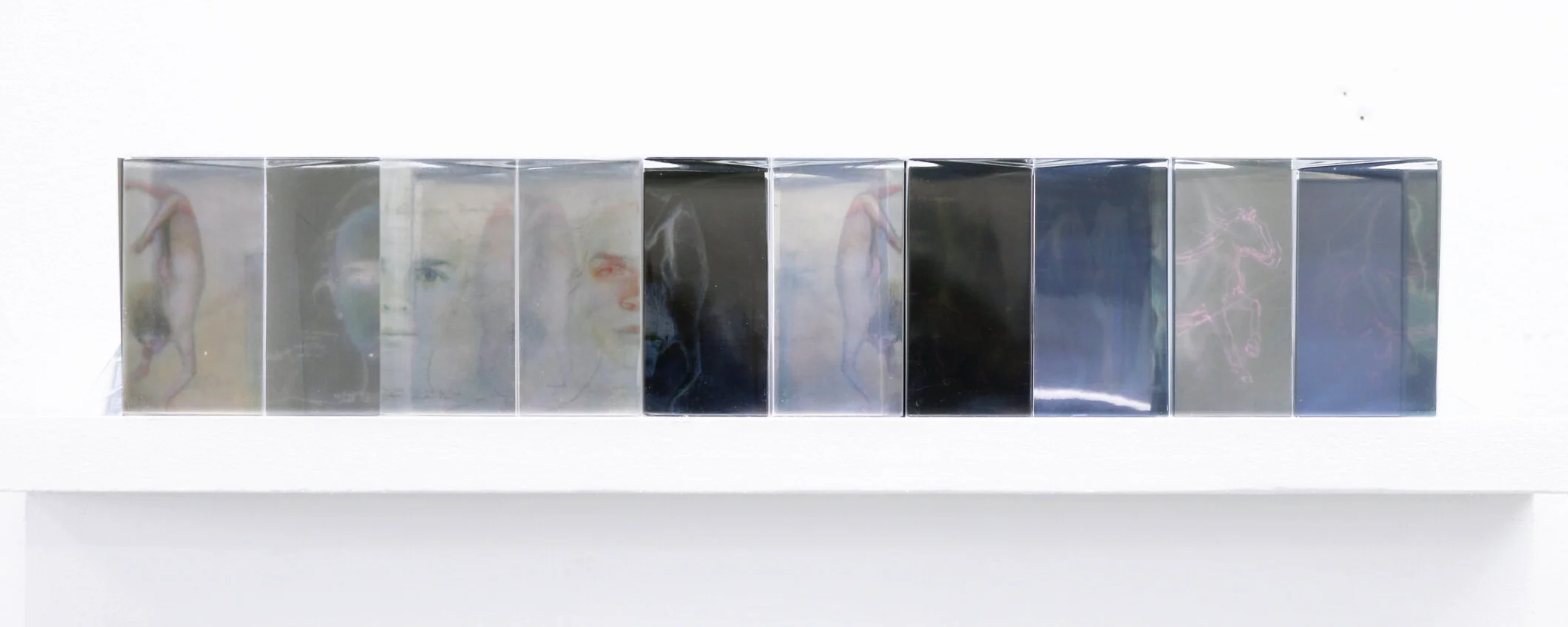
Prism assembly I, pencil drawing prints on acetate and glass prisms (see video), ca. 20 x 5 x 5 cm, 2019. (see video above)
works on plaster and jesmonite


foldable corrugation drawings
Foldable drawings for Blue Shop Cottage Works on Paper 4.
“A core theme of my practice is the interplay between the logical and the intuitive - our brain and our gut - as we rarely tend to consider them as two forces that can operate simultaneously. River and Hills are part of a series of 3D drawings, which can be folded small or left open. Their symmetrical geometric motifs represent the mathematical patterns that structure our natural world, and the soft imagery points to the intangible and mysterious inner landscape of a dreaming person. These two elements combine to create a kind of manifestation of both the scientific and the magical parts of life, coming together in a fragmented, fluid and hypnotic whole.”
text from blueshopcottage.com
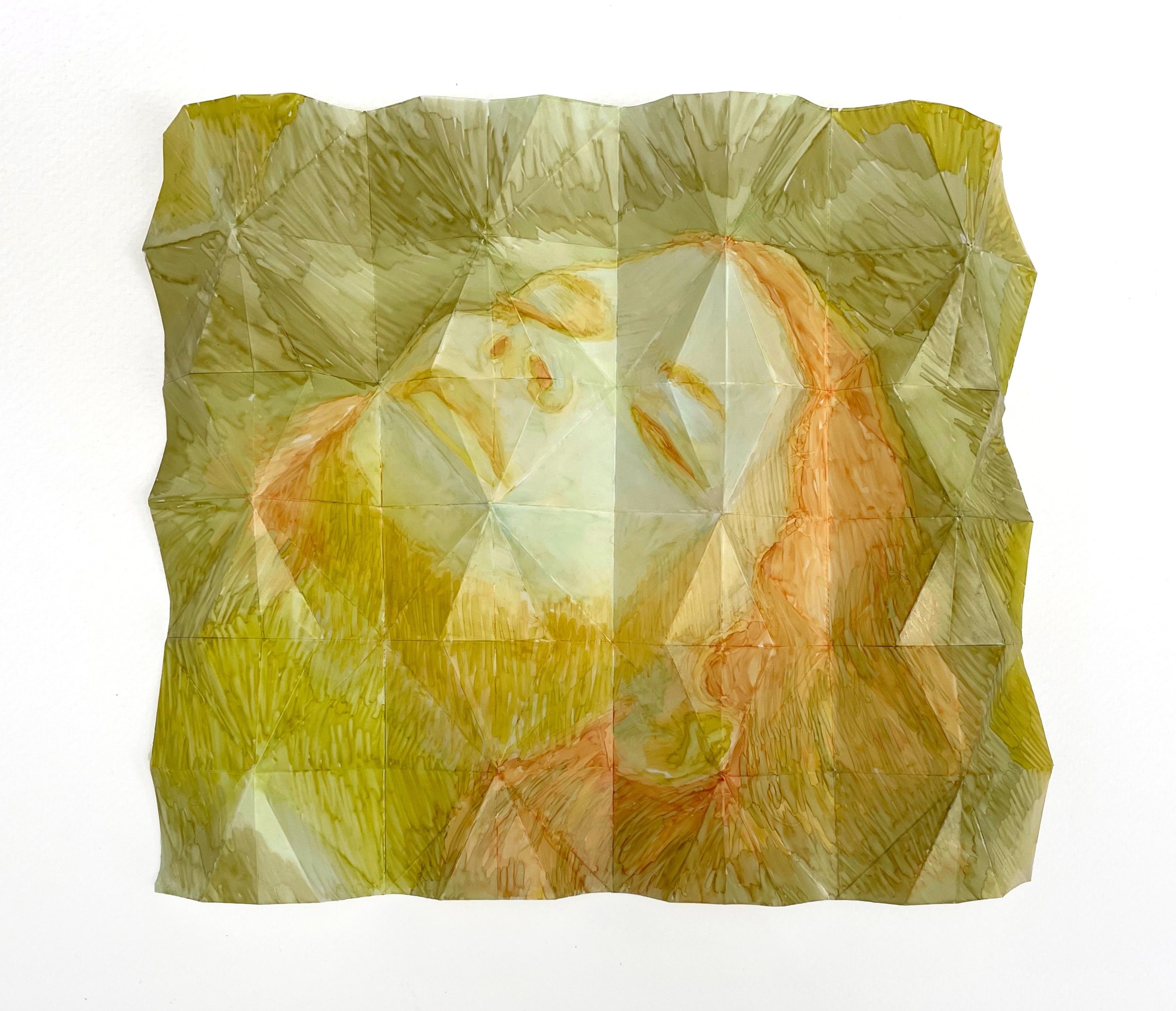
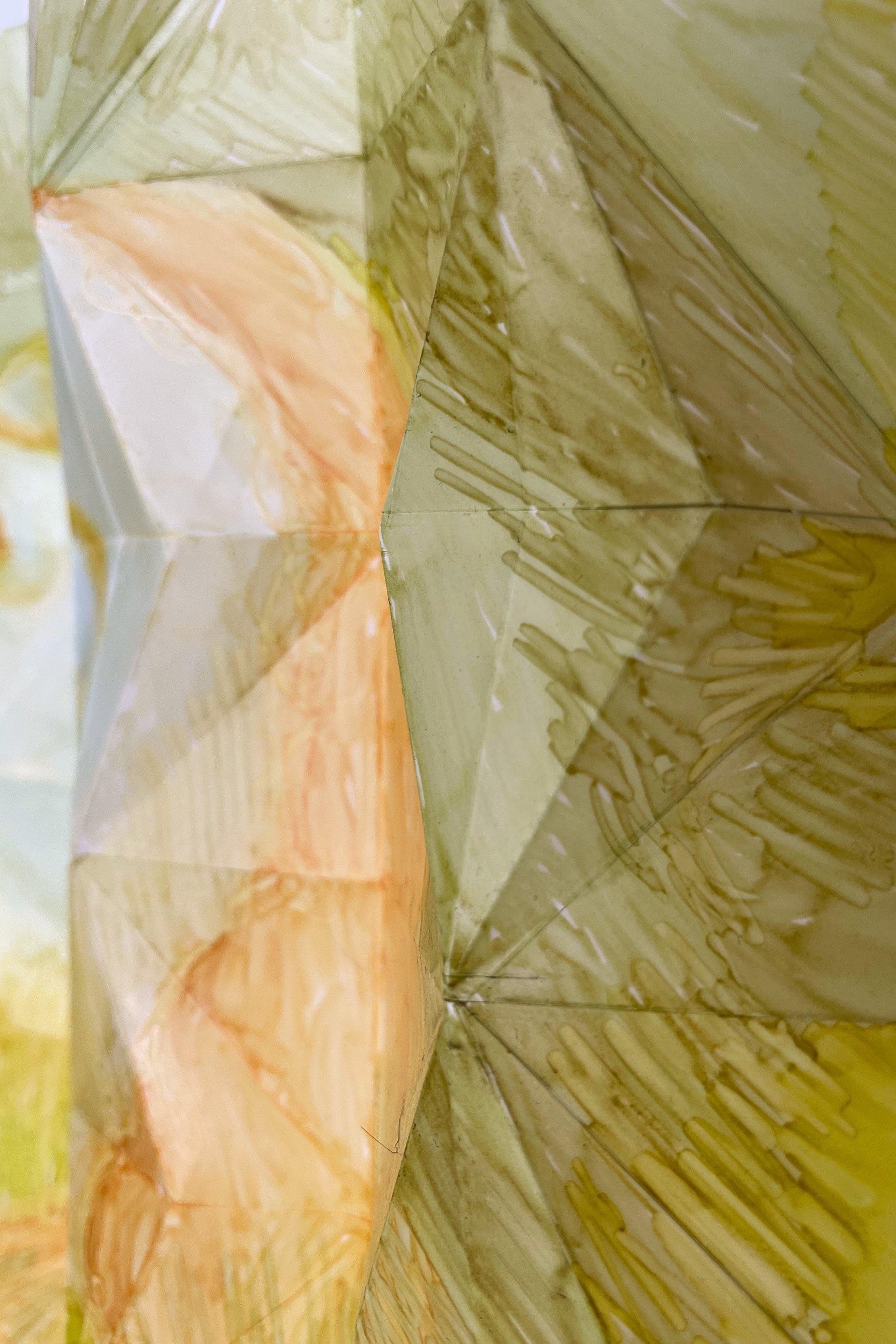
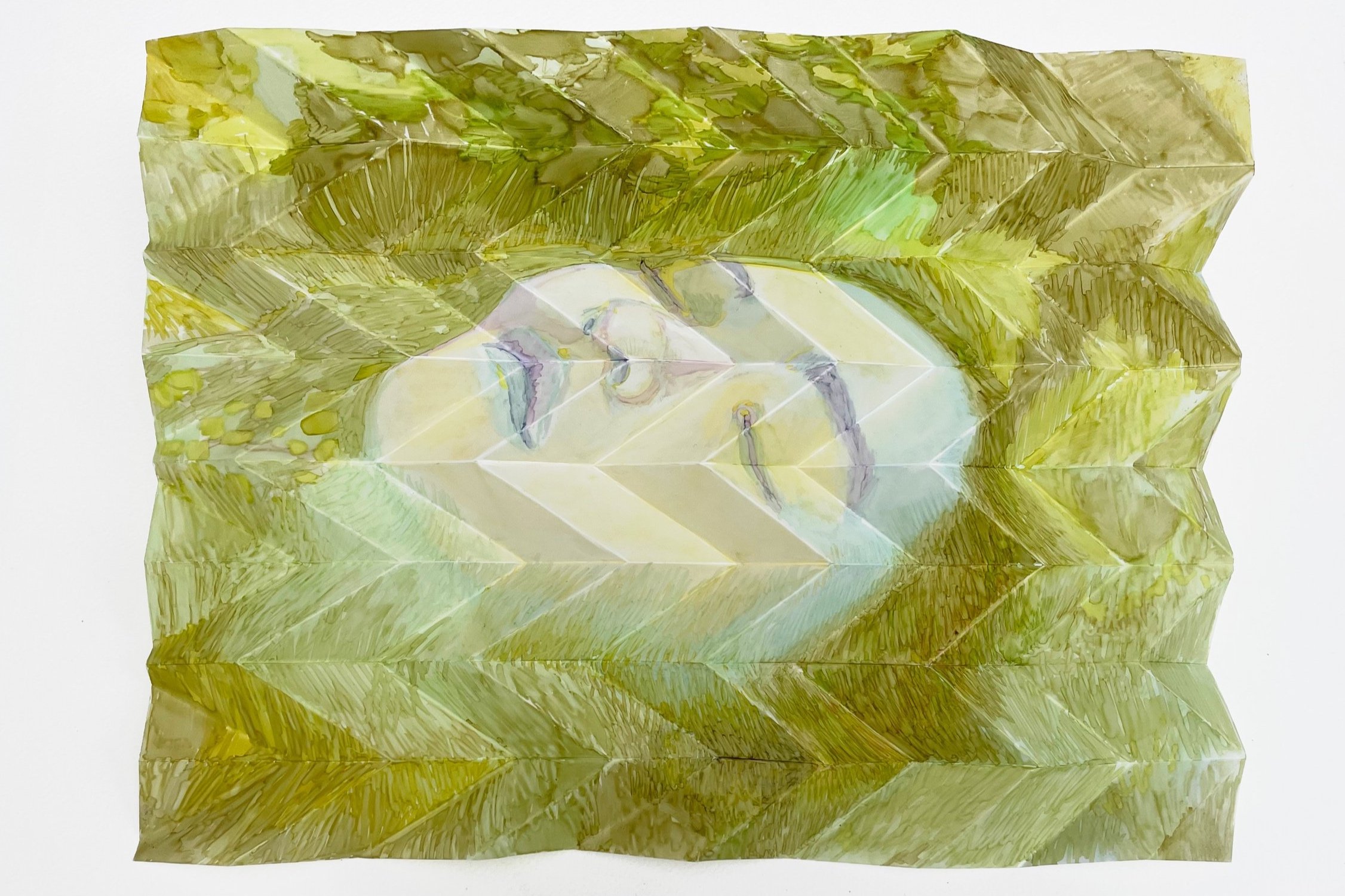
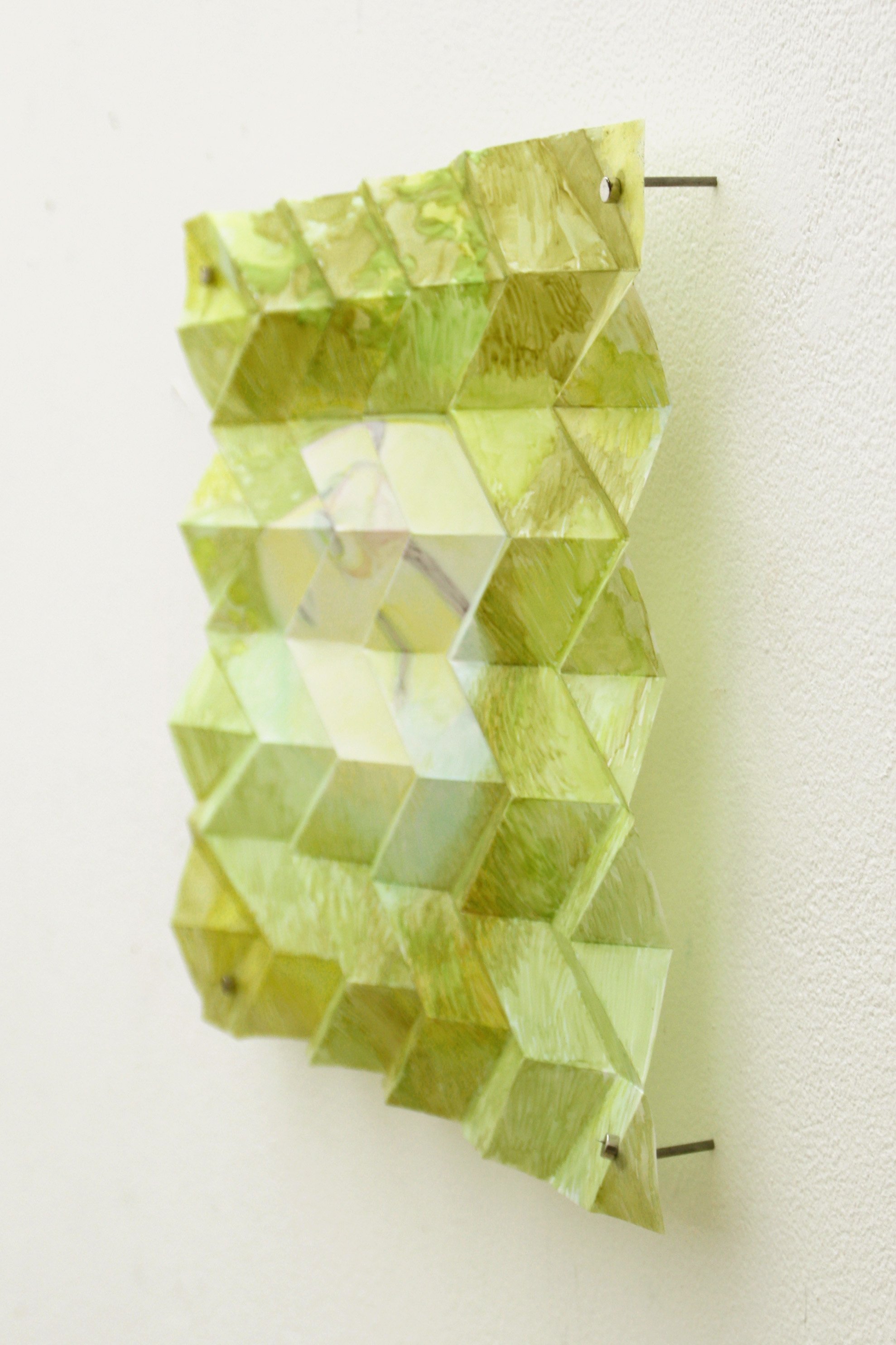
works on canvas from the maze series
works on tracing paper
Prism assembly I, pencil drawing prints on acetate and glass prisms (see video), ca. 20 x 5 x 5 cm, 2019. (see video above)
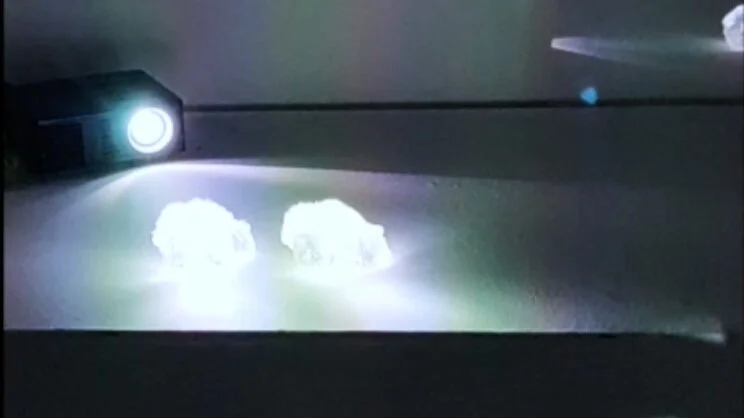
After pepper, resin and glass, varying dimensions, 2019 (see video on the left)
The following two images are autostereograms. They are images that can be seen in 3D if one succeeds in overcoming the eye’s natural coordination of focus and horizontal convergence.
There are two ways that seem to work best in order to achieve the desired effect:
Get very close to the screen, and stare at a specific point on the image. Keep focusing on that point as you slowly move your face backwards away from the screen.
OR
Find a point in the centre of the image, and cross your eyes. Slowly uncross your eyes bit by bit while focusing on the same spot.
In both methods, your vision will “snap” to the right view at a certain point, as your brain registers the depth perception that you are trying to trick it into. At this point the image should appear in vivid 3D, for some people even providing the possibility to look around at specific areas of the image in detail.
(Some people will not be able to see the effect, usually due to one eye being too dominant, or due to another kind of anomaly in their binocular vision).
Autostereogram experiment I, digitally interlaced pencil and pen drawings, 70 x 75 cm, 2019.jpg